
Comprehensive Guide to Choosing a Leading Thyroid Cancer Specialist on OncologicalSurgery.net
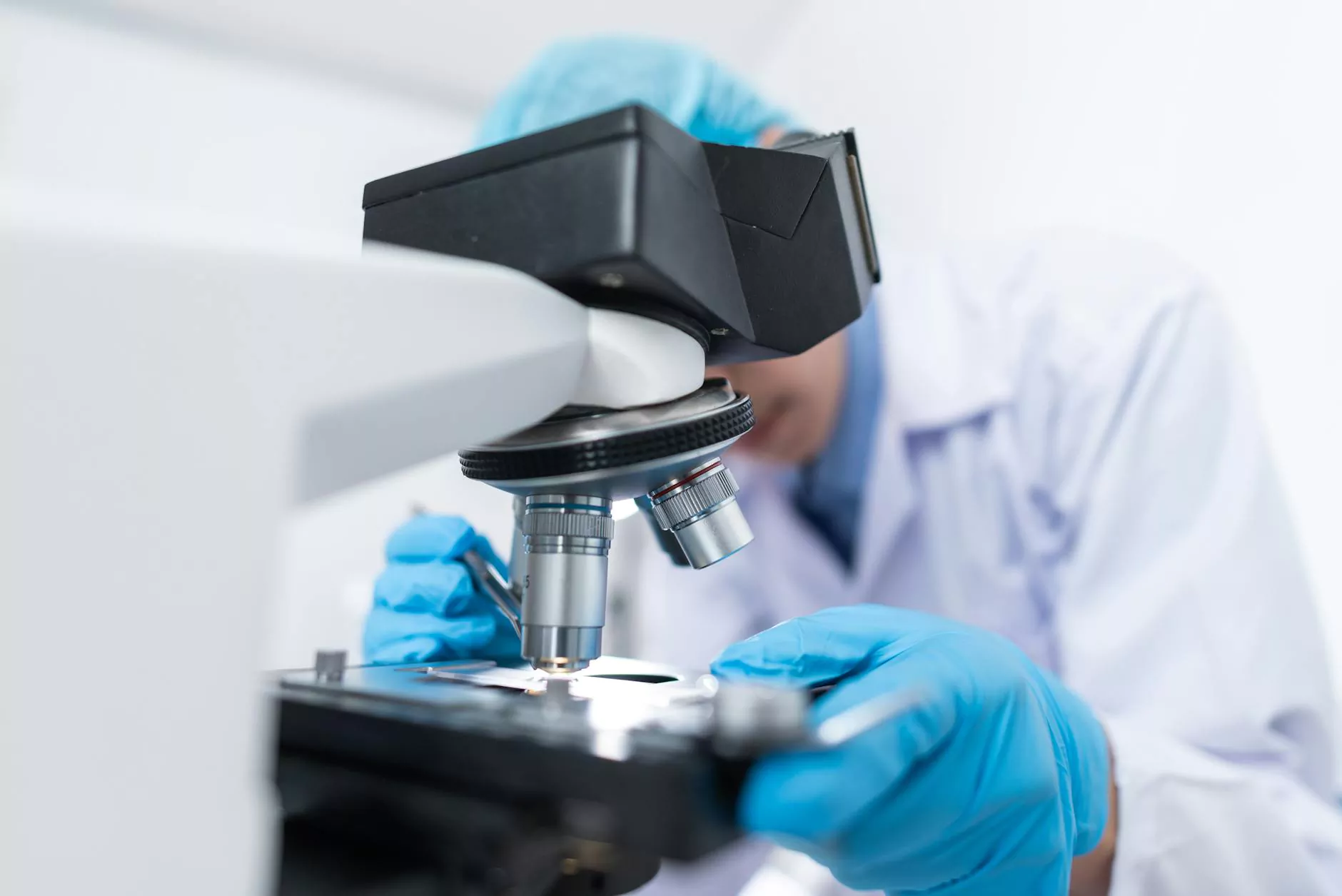
In the rapidly evolving landscape of oncological health care, selecting the right thyroid cancer specialist can significantly influence treatment success and overall prognosis. As thyroid cancer rates continue to rise globally, patients need access to highly qualified, experienced, and compassionate expert care tailored to their unique medical needs. This guide provides in-depth information on what to look for in a thyroid cancer specialist, the latest advancements in diagnosis and treatment, and why specialized centers such as those featured at oncologicalsurgery.net are pivotal in ensuring optimal patient outcomes.
Understanding Thyroid Cancer: An Important Health Concern
Thyroid cancer originates in the thyroid gland, a butterfly-shaped organ located at the base of your neck that plays a crucial role in hormone regulation. Although it is generally treatable, early detection and specialized care are essential for effective management. The most common types include papillary, follicular, medullary, and anaplastic thyroid cancers, each requiring tailored diagnostic and therapeutic approaches.
Why Is Choosing the Right Thyroid Cancer Specialist Critical?
The complexity of thyroid cancer diagnosis and treatment underscores the paramount importance of selecting a thyroid cancer specialist with comprehensive expertise. Here are key reasons why specialization matters:
- Accurate Diagnosis: Specialized physicians utilize advanced imaging, biopsy techniques, and molecular testing to precisely identify cancer type and stage.
- Customized Treatment Plans: Expert clinicians develop personalized strategies that consider tumor characteristics, patient health, and preferences.
- Access to Cutting-Edge Technology: High-volume centers often employ the latest surgical instruments, radioactive iodine therapies, and targeted drug treatments.
- Post-Treatment Support: Experienced specialists provide lifelong follow-up, monitoring for recurrence, and managing potential complications.
- Improved Prognosis: Studies indicate that patients treated by specialized teams have higher survival rates and better quality of life outcomes.
Key Qualifications of a Thyroid Cancer Specialist
When evaluating potential specialists, certain credentials and experience metrics stand out as indicators of exceptional care:
- Board Certification in Endocrine Surgery or Oncology: Ensures formal expertise in treating thyroid malignancies.
- Extensive Experience in Thyroid Surgeries: The number of thyroidectomy procedures performed annually correlates with surgical proficiency.
- Participation in Clinical Trials and Research: Active involvement in pioneering studies reflects commitment to advancing treatment options.
- Multidisciplinary Team Collaboration: Collaboration with endocrinologists, radiologists, pathologists, and nuclear medicine specialists guarantees comprehensive care.
- Strong Patient Outcomes and Reviews: Proven track record and positive patient testimonials highlight reputation and reliability.
The Role of Advanced Diagnostics in Detecting Thyroid Cancer
Accurate diagnosis forms the foundation for effective treatment. Modern diagnostic techniques available at specialized centers include:
- High-Resolution Ultrasound: Enables detailed visualization of thyroid nodules and guides biopsy procedures.
- Fine-Needle Aspiration Biopsy (FNAB): Minimally invasive technique providing cellular samples for definitive diagnosis.
- Molecular Testing: Helps identify genetic mutations to distinguish benign from malignant nodules and tailor targeted therapies.
- Radionuclide Scanning: Detects functional activity of thyroid tissue and possible metastases.
- Advanced Imaging (CT, MRI, PET): Assists in staging, detecting metastasis, and planning surgical approaches.
Latest Treatment Options Provided by a Thyroid Cancer Specialist
Choosing a specialist ensures access to the most effective and least invasive treatment modalities, including:
- Surgical Interventions: Total or partial thyroidectomy performed with precision, utilizing minimally invasive techniques such as robotic-assisted surgery for superior outcomes.
- Radioactive Iodine Therapy: Used post-surgery to eliminate any remaining cancerous cells and reduce recurrence risk.
- Targeted Drug Therapies: Includes kinase inhibitors and other novel agents for advanced or refractory thyroid cancers.
- External Beam Radiotherapy: An option for aggressive or inoperable tumors.
- Active Surveillance: For small, low-risk nodules where immediate treatment may not be necessary, monitored closely by the specialist.
Innovative Surgical Techniques and Their Impact on Patient Recovery
Modern surgical methods have revolutionized thyroid cancer treatment, emphasizing less invasive approaches that promote quicker recovery and minimal scarring:
- Minimally Invasive Thyroidectomy: Smaller incisions and less tissue disruption reduce pain and improve aesthetic outcomes.
- Robotic-Assisted Surgery: Enhances precision, allows for better visualization, and reduces operative risks.
- Intraoperative Neural Monitoring: Protects recurrent laryngeal nerves, minimizing voice changes post-operation.
- Selective Lymph Node Dissection: Targets affected nodes, reducing surgical extent and associated complications.
Post-Treatment Monitoring and Lifelong Care
A critical component of managing thyroid cancer involves regular follow-up. Experts recommend:
- Serial ultrasound scans to monitor for recurrence.
- Blood tests measuring thyroglobulin levels as a tumor marker.
- Periodic radioactive iodine scans, if applicable.
- Assessment of hormone replacement therapy and overall thyroid function.
High-quality centers ensure that patients receive ongoing support and personalized care plans, improving long-term outcomes and quality of life.
Why Choose OncologicalSurgery.net for Your Thyroid Cancer Care?
At oncologicalsurgery.net, we pride ourselves on our multidisciplinary approach, cutting-edge technology, and compassionate patient-centered care. Our thyroid cancer specialists are recognized nationally and internationally for their expertise. We offer:
- State-of-the-art diagnostic and surgical procedures.
- Access to clinical trials and innovative therapies.
- Comprehensive preoperative assessment and postoperative follow-up.
- Support services including counseling, nutritional guidance, and survivorship planning.
- A dedicated team committed to improving your health outcomes through personalized care.
How to Find the Right Thyroid Cancer Specialist for You
Taking proactive steps can help you secure the best possible care:
- Research Credentials: Verify board certification and experience in thyroid oncology.
- Seek Recommendations: Ask your primary care provider or endocrinologist for trusted referrals.
- Review Patient Testimonials: Look for centers or doctors with positive feedback and proven success records.
- Evaluate Facility Resources: Choose a facility equipped with advanced technology and a multidisciplinary team.
- Assess Communication and Support: Ensure your healthcare team listens and provides clear guidance throughout your treatment journey.
In Conclusion: Empowering Your Health with Expert Care
Thyroid cancer management is a complex process that demands the expertise of dedicated specialists. From accurate diagnosis and innovative surgical techniques to comprehensive post-treatment care, the right thyroid cancer specialist can make all the difference in your prognosis and quality of life. To access top-tier care, trust the dedicated team at oncologicalsurgery.net, where patient-centered, evidence-based, and technologically advanced treatment options are at your fingertips.
Your journey toward recovery starts with choosing the right expert — because every patient deserves the best possible outcomes that only specialized knowledge and compassionate care can deliver.


