Transforming Agriculture with Agro Drones: The Future of Precision Farming
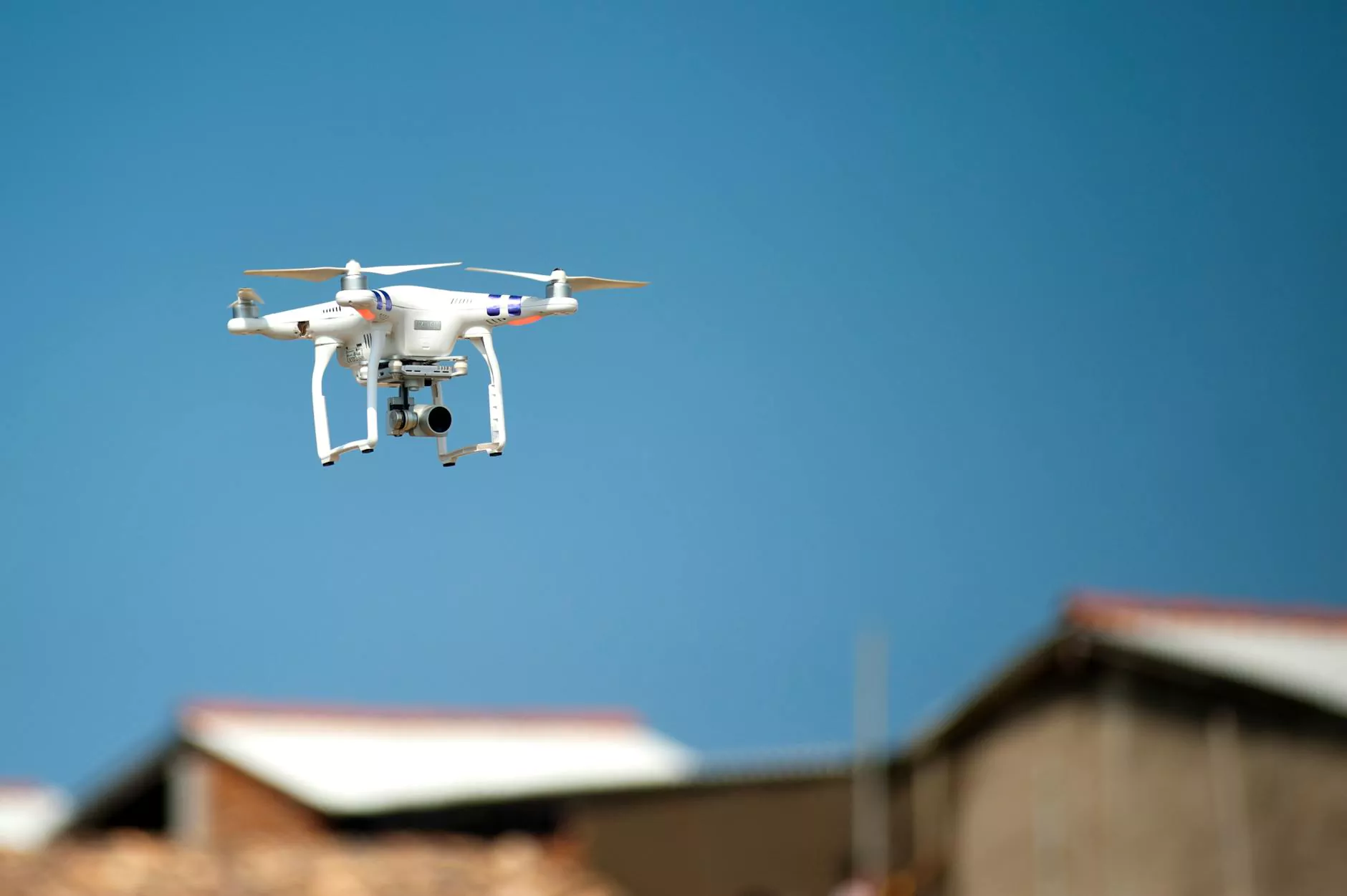
In recent years, technological advancements have dramatically reshaped the landscape of agriculture, leading to greater efficiency, sustainability, and productivity. Among these innovations, agro drones have emerged as a game-changer, redefining how farmers monitor, manage, and optimize their crops. The integration of drone technology into agribusiness not only boosts yields but also contributes to sustainable farming practices, reducing environmental impact and conserving vital resources.
What Are Agro Drones? An Introduction to Agricultural Drone Technology
Agro drones, also known as agricultural drones, are unmanned aerial vehicles (UAVs) specifically designed or adapted for agricultural applications. Equipped with advanced sensors, cameras, and GPS technology, these drones provide detailed aerial imagery and data collection capabilities that enable farmers to gain real-time insights into their fields.
Unlike traditional methods of crop monitoring, which involve manual field inspections, agro drones offer a fast, cost-effective, and highly accurate alternative. They can cover large fields swiftly, capturing multispectral images and thermal data that reveal the health and status of crops at unprecedented levels of detail.
The Role of Agro Drones in Modern Precision Agriculture
Precision agriculture is an innovative approach that uses data and technology to optimize crop production while minimizing waste and environmental impact. Agro drones play a central role in this paradigm by providing essential data for decision-making and resource management.
- Crop Monitoring and Health Assessment: Drones equipped with multispectral and thermal cameras enable farmers to monitor plant health, identify disease hotspots, and detect pest infestations early.
- Soil and Field Analysis: Drones can capture high-resolution images of soil variations, helping determine fertility levels and guiding precise fertilization strategies.
- Variable Rate Application: Drones facilitate variable rate application of fertilizers, pesticides, and water, optimizing input use based on specific field needs.
- Irrigation Management: Thermal imaging from agro drones helps identify drought stress areas, enabling targeted irrigation and conserving water resources.
- Crop Growth Monitoring: Regular drone flights provide a timeline of crop development, allowing farmers to plan harvests more accurately and predict yields.
Advantages of Using Agro Drones in Agriculture
Implementing agro drones into farming operations offers numerous compelling benefits:
Enhanced Efficiency and Productivity
By automating routine monitoring tasks, drones significantly reduce labor costs and time. Farmers can monitor vast hectares of land within hours, gaining timely insights that inform critical management decisions.
Cost-Effective Crop Management
Early detection of pests and diseases allows for targeted interventions, decreasing the need for blanket pesticide applications, which saves money and reduces chemical runoff.
Improved Resource Use and Sustainability
Precision inputs lead to less waste of water, fertilizers, and pesticides. This not only lowers costs but also minimizes environmental footprint, aligning with sustainable farming goals.
Real-Time Data for Informed Decision-Making
Access to on-the-spot data encourages prompter responses to crop issues, preventing large-scale crop failure and maximizing yields through timely actions.
Risk Reduction and Crop Protection
Early disease detection protects crops before outbreaks escalate, safeguarding investment and ensuring stable harvests.
The Technical Components of Agro Drones
Modern agro drones are sophisticated machines built with various technological components to maximize agricultural utility:
- Multispectral and Hyperspectral Cameras: These sensors detect specific wavelengths absorbed or reflected by plants, providing data on plant vigor, chlorophyll content, and stress levels.
- Thermal Imaging: Detects temperature variations, identifying areas of water stress or potential disease outbreaks.
- GPS and GIS Integration: Ensures precise navigation, mapping, and georeferenced data collection.
- Autonomous Flight Capabilities: Enables pre-programmed flight paths for systematic coverage of fields.
- Data Analysis Software: Processes raw data into actionable maps, reports, and insights for farmers to interpret and act upon.
Implementing Agro Drones in Your Agricultural Business
For farmers and agribusinesses considering adopting agro drones, a strategic approach is essential for maximizing benefits:
Assessing Needs and Goals
Identify specific challenges such as pest control, water management, or crop health monitoring. Clear objectives help select the right drone technology and sensors.
Choosing the Right Drone System
Evaluate options based on flight time, payload capacity, sensor compatibility, and ease of use. Partnering with reputable providers like a-drones.com ensures access to proven solutions tailored for agriculture.
Training and Integration
Provide adequate training for operators and integrate drone data into your existing farm management systems for seamless decision-making.
Compliance and Regulations
Stay informed of local UAV regulations and licensing requirements to ensure legal operation and avoid penalties.
Future Trends and Innovations in Agro Drones
The field of agricultural drone technology continues to evolve rapidly. Emerging trends include:
- Artificial Intelligence and Machine Learning: Enhanced data processing for predictive analytics and automation.
- Swarm Drones: Coordinated fleets working collaboratively for larger or more complex fields.
- Extended Flight Times and Payloads: Longer endurance drones enabling continuous monitoring over extended periods.
- Integration with IoT Devices: Combining drone data with IoT sensors deployed across fields for comprehensive farm management.
- Autonomous Crop Spraying: Fully automated application of fertilizers and pesticides, reducing manual labor and increasing precision.
Challenges and Considerations in Using Agro Drones
While the advantages are compelling, integrating agro drones involves overcoming certain challenges:
- Initial Investment: High-quality drone systems and sensors can be expensive, requiring careful cost-benefit analysis.
- Technical Expertise: Operators need training, and ongoing technical support may be necessary.
- Regulatory Hurdles: Compliance with UAV laws varies by region and may restrict certain operations.
- Weather Dependence: Drones are affected by weather conditions such as rain, wind, and fog, potentially limiting usage during adverse weather.
Conclusion: Embracing the Power of Agro Drones for a Sustainable Agricultural Future
The adoption of agro drones is more than just a technological upgrade; it’s a strategic shift towards more sustainable, efficient, and productive farming practices. As the agriculture industry continues to embrace digital transformation, companies like a-drones.com are at the forefront, providing cutting-edge solutions that enable farmers to thrive in increasingly competitive markets. Harnessing the power of drone technology opens new horizons for crop management, environmental stewardship, and economic growth in agribusiness.
Investing in agro drones today means positioning your agricultural enterprise for a resilient, prosperous, and sustainable future. With continuous innovations and data-driven strategies, farmers can meet the growing global food demand while conserving the planet’s precious resources.