Exploring the Benefits and Mystique of Мухомор (Fly Agaric)
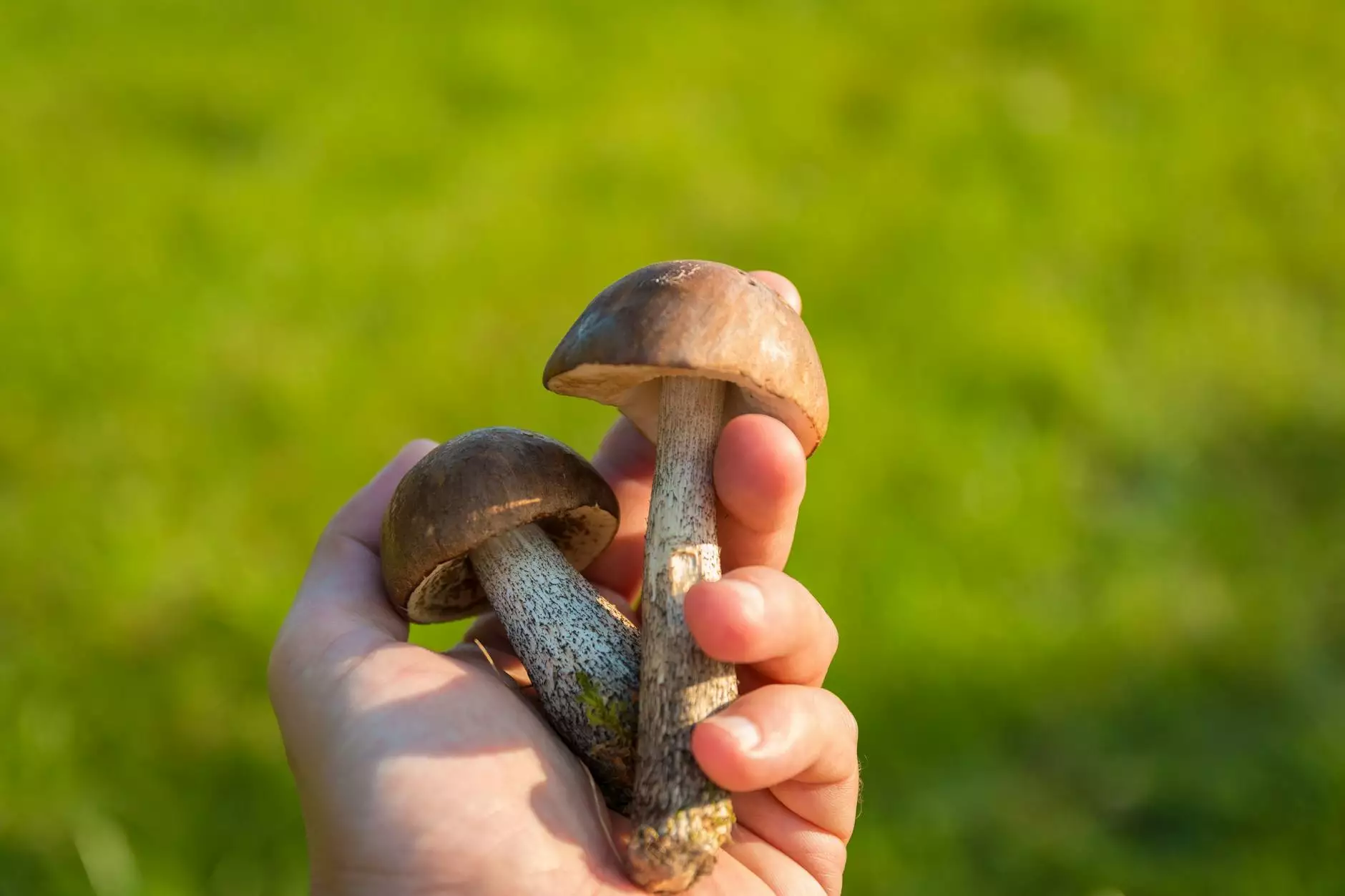
The world of mushrooms is more complex and intriguing than many people realize. Among the numerous fungi, one that stands out due to its iconic appearance and rich folklore is the мухомор (Amanita muscaria), known in English as the fly agaric. This striking mushroom, recognized by its bright red cap speckled with white dots, has captured the interest of cultures around the globe due to its unique properties and associations. In this article, we will delve into the various aspects of мухомор, focusing on its health benefits, culinary uses, and cultural significance.
What is Мухомор? An Overview
Мухомор is a member of the Amanitaceae family and is one of the most recognizable mushrooms in the world. It typically grows in forests across the Northern Hemisphere, including regions of Europe, Asia, and North America. The mushroom thrives in various tree environments, particularly in association with pine, birch, and spruce trees.
- Scientific Name: Amanita muscaria
- Common Names: Fly agaric, toadstool
- Edibility: Poisonous if consumed improperly, but has been used historically for various purposes.
The Toxicity and Safety of Мухомор
While the мухомор has a reputation for being poisonous, it is essential to distinguish between its toxic properties and its potential benefits. The mushroom contains psychoactive compounds, primarily muscimol and ibotenic acid. These substances can produce both sedative and hallucinogenic effects when consumed, which is why caution is paramount.
Due to its toxicity, мухомор should not be consumed without proper preparation and knowledge. Some traditional cultures have reported using it in rituals or for medicinal purposes, but ingestion can lead to serious health risks if not done in a safe manner.
Health Benefits of Мухомор
Despite its toxicity, there are many enthusiasts who believe in the potential health benefits of мухомор. Recent research indicates that, when prepared properly, the mushroom can offer a variety of health advantages:
1. Neuroprotective Properties
One of the primary compounds found in мухомор is muscimol, which has been studied for its cognitive benefits. Preliminary studies suggest that muscimol may have neuroprotective effects, possibly aiding in the prevention of neurodegenerative diseases.
2. Immune System Support
Some studies indicate that мухомор may be beneficial for immune health. It is believed to have immunostimulant properties, helping to enhance the body’s natural defenses against illness and infection.
3. Pain Relief
Traditionally, мухомор has been used in some cultures as a natural pain reliever. Its anti-inflammatory properties may help in reducing pain and inflammation.
Exploring Culinary Uses of Мухомор
While мухомор is not typically associated with culinary traditions due to its toxic nature, some culinary experts and foragers experiment with it under strict guidelines. It is crucial to process the mushroom correctly if one chooses to explore its uses in cooking.
Here are some innovative ways that chefs and foragers have approached the culinary potential of мухомор:
- Infusions: Some utilize мухомор in spirit infusions. The mushroom can impart a unique flavor to homemade liqueurs when prepared correctly.
- Flavoring Agents: In small, controlled amounts, dried and powdered мухомор can be used to add an earthy flavor to sauces and stews.
- Garnishing: The visually stunning cap can be used as an ornamental garnish in dishes to enhance their aesthetic appeal.
Traditional Uses and Cultural Significance of Мухомор
The мухомор holds a significant place in various mythologies and rituals. Historically, this mushroom has been associated with shamanic practices, particularly in Siberian cultures, where it is said to be used in spiritual ceremonies.
1. Shamanic Practices
In Siberian traditions, shamans have been known to consume мухомор to enter trance states and connect with the spiritual world. The psychoactive properties of the mushroom were believed to allow them to communicate with spirits and gain insights into the future.
2. Art and Literature
The distinct appearance of мухомор has made it a popular subject in art and literature. From fairy tales to modern art, its iconic red cap is often depicted in various cultural contexts, symbolizing magic, mystery, and the unknown.
3. Festivals and Celebrations
In some cultures, мухомор is celebrated during festivals related to the harvest or the coming of age. These celebrations often include traditional foods, music, and rituals that pay homage to nature and its gifts.
Purchasing Мухомор from Trustworthy Sources
If you're interested in exploring the unique properties of мухомор, it's crucial to source it from reputable suppliers. Websites such as lavka-molfara.com.ua offer high-quality products, ensuring that what you purchase is safe and ethically sourced. Always consult with a health professional or knowledgeable forager before trying new fungi, especially those with known psychoactive properties.
Conclusion
The мухомор is not just a beautifully striking mushroom but a significant part of cultural heritage and potential health benefits. While its toxicity raises concerns, with proper knowledge and respect, this mushroom can be appreciated for its multifaceted role in human history and potential wellness applications. As interest in natural remedies continues to rise, the мухомор remains an intriguing subject of study and exploration for those fascinated by nature’s wonders.
Embrace the journey of understanding and respect for this fascinating mushroom, and consider the benefits and risks seriously. With proper knowledge and approach, the мухомор can offer a remarkable glimpse into the magical world of fungi.