Understanding Halal Chicken Manufacturers: A Focus on Quality and Compliance
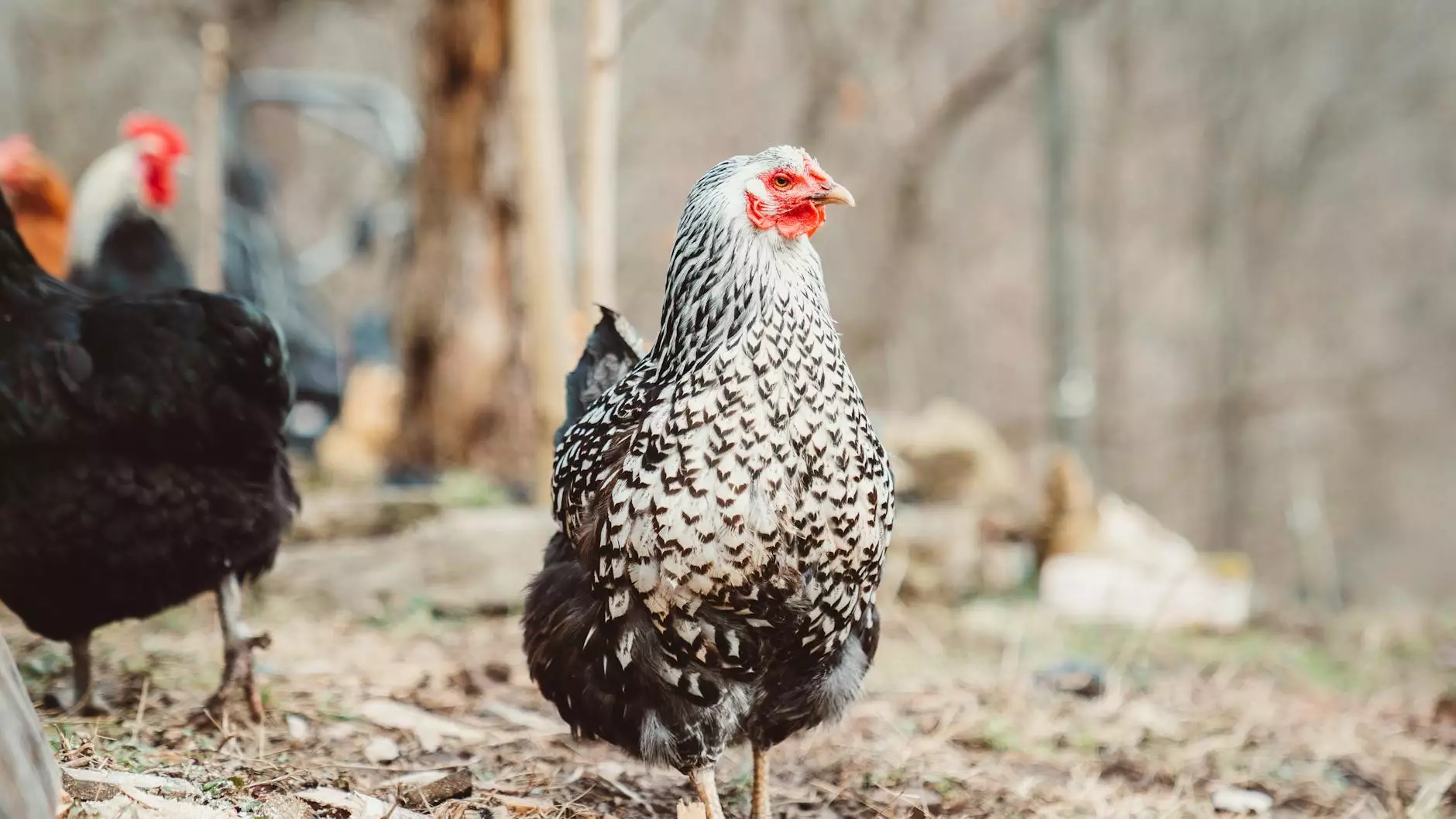
The world of poultry has seen tremendous growth, and halal chicken manufacturers are at the forefront of this sector, combining ethical practices with quality production. As global demand for halal products continues to soar, it's essential to understand the significance of these manufacturers and what they bring to the table in terms of both compliance and consumer satisfaction.
The Basics of Halal Poultry
Before diving deep into the nuances of halal chicken manufacturing, it's crucial to define what constitutes halal poultry. Halal, an Arabic term meaning "permitted" or "lawful," refers to what is accepted within Islamic law. The rules of halal dictate everything from how animals are raised to how they are slaughtered.
In addition to meeting specific religious requirements, halal chicken must also adhere to high standards of hygiene and quality, ensuring that it is safe and healthy for consumption. This level of care makes halal chicken manufacturing an intriguing area of study for producers and consumers alike.
Why Choose Halal Chicken? Benefits and Advantages
Many consumers may wonder why they should opt for products from halal chicken manufacturers. Below are several compelling reasons:
- Ethical Treatment of Animals: Halal practices require humane treatment of animals before slaughter, emphasizing respect and care.
- Health and Hygiene: Halal chicken is processed under strict hygienic conditions, ensuring a high-quality end product.
- Traceability: Consumers can often trace halal products back to ethical sources, providing peace of mind.
- Market Demand: With the growing awareness among consumers of different dietary needs, halal chicken is increasingly in demand globally.
- Diverse Culinary Applications: Halal chicken can be used in a variety of dishes, catering to a broad audience, including those who follow halal diets for religious reasons.
The Role of Brazilian Poultry Exporters in the Halal Market
Brazil is one of the largest poultry exporters globally, and its products are renowned for their quality and compliance with international standards. Brazilian halal chicken manufacturers are crucial players in this market, providing consistent supplies of high-quality poultry to meet global demands.
Frozen Chicken Group, detailed on their website frozenchickengroup.com, focuses on exporting halal chicken in bulk, appealing to various markets that value both quality and adherence to halal principles. The Brazilian poultry sector benefits from several factors:
- Climate Conditions: The country's favorable climate supports sustainable poultry farming operations.
- Advanced Farming Techniques: Brazilian farmers implement modern farming practices, ensuring the health and productivity of livestock.
- Regulatory Compliance: Brazilian poultry exporters follow stringent regulations to ensure animal welfare and food safety, particularly in halal certification.
- Cost-Effectiveness: Brazil's efficient supply chain allows for competitive pricing, making its products attractive in international markets.
Quality Assurance in Halal Chicken Manufacturing
Quality assurance is a cornerstone of successful halal chicken manufacturers. Each step of the production process has specific requirements to ensure compliance with halal standards. These include:
1. Sourcing Livestock
The first step in producing halal chicken is sourcing livestock from reputable farms that adhere to halal guidelines. The animals must be raised in humane conditions and fed a balanced diet in line with Islamic principles.
2. Slaughtering Process
The slaughtering process is critical to halal certification. It must be conducted by a trained individual who recites the appropriate prayers, ensuring that the animal is treated with dignity throughout the process. This key aspect emphasizes ethical treatment and adherence to religious practices.
3. Post-Slaughter Processing
Once slaughtered, the chicken must undergo stringent processing procedures. The facilities where this occurs must be clean and dedicated solely to halal products to avoid cross-contamination with non-halal items.
The Impact of Technology on Halal Chicken Production
Technology plays a pivotal role in the operations of halal chicken manufacturers today. From breeding and raising poultry to the processing and distribution phases, innovative technologies enhance efficiency, safety, and quality. Here are some technologies that shape the industry:
- Traceability Systems: Modern tracking systems allow consumers and retailers to trace the origins of their halal chicken products back to the farm, ensuring transparency and quality assurance.
- Automation in Processing: Automated processing lines improve the speed and efficiency of poultry production, reducing the risk of human error and enhancing food safety.
- Data Analytics: Utilizing data analytics helps producers monitor livestock health and optimize feeding strategies, resulting in healthier chickens and better yields.
Challenges Faced by Halal Chicken Manufacturers
Despite the significant opportunities in the halal chicken market, manufacturers encounter various challenges:
1. Compliance and Certification
The need to maintain rigorous compliance with halal regulations can be a challenging undertaking. Manufacturers must continually ensure that their supply chains meet halal standards to retain certification and consumer trust.
2. Market Competition
The growth of the halal market has led to increased competition. To remain viable, manufacturers must differentiate their products through quality and branding strategies that resonate with consumers.
3. Consumer Awareness and Education
While demand for halal products is increasing, there remains a knowledge gap among consumers about the benefits and standards of halal chicken. Manufacturers must engage in education and marketing efforts to communicate the value of their products effectively.
The Future of Halal Chicken Manufacturing
As the global halal market continues to expand, the future looks promising for halal chicken manufacturers. Here are some trends and predictions:
- Increased Global Demand: The appetite for halal products is growing, particularly in regions with significant Muslim populations, but also among non-Muslim consumers who value ethical consumption.
- Sustainability Focus: Future trends will increasingly look at eco-friendly farming practices and the sustainability of the production processes.
- Integration of Technology: The adoption of advanced technologies, including AI and blockchain, will further enhance transparency and efficiency across the supply chain.
Conclusion: Embracing the Excellence of Halal Chicken Manufacturers
The role of halal chicken manufacturers is vital for not only meeting the demands of a growing market but also ensuring ethical practices in poultry production. With Brazil as a leading exporter, the importance of maintaining quality, adhering to halal standards, and embracing technological advancements can lead to sustainable growth and success in the industry.
As consumers become more conscious about their food choices, frozen chicken manufacturers like those in Brazil are uniquely positioned to provide products that are not only compliant with halal principles but also resonate with values of quality, transparency, and ethical treatment of animals.
In conclusion, the future of poultry production rests in the hands of those who prioritize compliance, embrace innovation, and are committed to being leaders in the halal market, setting high standards that others aspire to meet.