Understanding Emergency Breathing Equipment: Essential Insights for Safety and Preparedness
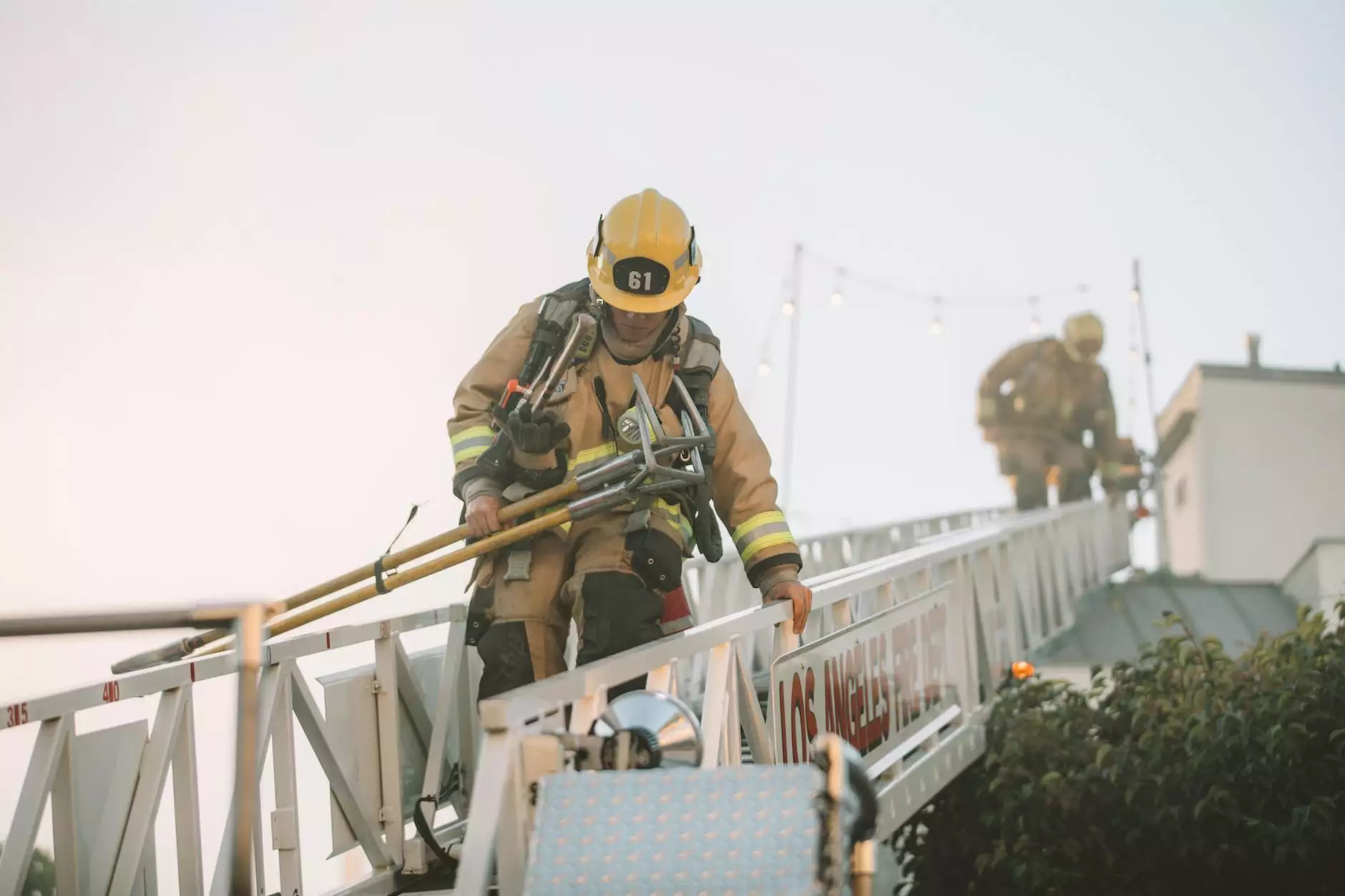
Emergency breathing equipment is crucial in numerous industries and emergency situations. Whether you're dealing with hazardous materials, firefighting, or confined space entries, having the right breathing apparatus can significantly enhance safety and operational efficiency. In this article, we will explore the types, uses, and importance of emergency breathing equipment in various settings.
What is Emergency Breathing Equipment?
Emergency breathing equipment refers to devices that provide breathable air to individuals in situations where the atmospheric conditions are unsafe. These situations may involve the presence of toxic gases, lack of oxygen, or smoke-filled environments. The equipment is designed to offer immediate relief and protect against inhaling harmful substances.
Types of Emergency Breathing Equipment
There are several types of emergency breathing equipment, each designed for specific scenarios and environments. Here are the most common types:
- Self-Contained Breathing Apparatus (SCBA): This is a portable device worn by firefighters and first responders. It consists of a tank filled with compressed air, allowing users to breathe safely in hazardous environments.
- Air-Purifying Respirators (APRs): These devices filter out contaminants from the air, making it safe for breathing. They are ideal for situations where the air has enough oxygen, but pollutants are present.
- Sar Equipment (Supplied Air Respirators): This type serves as a lifeline. It supplies breathable air from a source outside the hazardous area, suitable for long-duration use.
- Escape Breathing Devices: Designed for emergency evacuation, these devices provide breathable air for a limited time, ensuring individuals can reach safety from environments with hazardous gases or smoke.
Applications of Emergency Breathing Equipment
The applications of emergency breathing equipment extend across various industries, including:
1. Industrial Sector
In industrial settings where chemical exposure is possible, such as petrochemical plants, refineries, and manufacturing units, emergency breathing equipment is imperative. Workers must have access to this gear to avoid inhaling toxic fumes during leaks or accidents.
2. Construction Sites
Construction workers often face dusty environments and may encounter hazardous materials. Proper breathing equipment protects against the inhalation of harmful particles and gases, ensuring worker safety.
3. Firefighting
Firefighters rely heavily on SCBA units while combating fires. The smoke and toxic fumes prevalent in fires necessitate the use of robust breathing apparatus to protect their lungs and maintain air quality.
4. Emergency Evacuation
In events such as natural disasters, having emergency escape breathing devices can save lives. These devices enable individuals to evacuate safely from smoke-filled or toxic environments.
5. Mining Operations
In the mining industry, workers are at risk of exposure to toxic gases such as methane and carbon monoxide. Use of emergency breathing equipment ensures they can breathe safely while performing their duties.
Choosing the Right Emergency Breathing Equipment
When selecting emergency breathing equipment, consider the following factors:
- Environment: Determine the potential hazards your team might face. This includes understanding the types of gases or particulates present.
- Duration of Use: Evaluate how long personnel need to breathe safely in hazardous conditions. This impacts whether portable or supplied-air respirators are necessary.
- Comfort and Fit: Proper fit is crucial for effective protection. Improperly fitted masks can lead to exposure.
- Regulatory Compliance: Ensure the equipment meets relevant safety standards and regulations in your industry.
Training and Maintenance of Emergency Breathing Equipment
It is not enough to merely have emergency breathing equipment; proper training and maintenance are essential for ensuring safety and readiness:
1. Training Programs
Regular training sessions should be conducted to familiarize personnel with the operation of different breathing apparatus. This includes:
- Understanding how to don and doff equipment effectively.
- Practicing emergency response drills that involve the use of breathing apparatus.
- Learning about the limitations of the equipment used.
2. Regular Maintenance
Monthly and yearly inspections should be carried out on all equipment to ensure functionality and safety. This includes:
- Checking for leaks in SCBA tanks.
- Inspecting the seals of masks.
- Verifying that all filters are within their service life.
The Importance of Emergency Breathing Equipment in Safety Protocols
Implementing emergency breathing equipment into safety protocols is paramount in risk management strategies. A comprehensive safety plan should integrate these devices to protect employees and ensure regulatory compliance. The benefits include:
- Increased Safety: Reduces the risk of inhaling toxic substances.
- Enhanced Response Capability: Prepares teams to respond to emergencies effectively.
- Compliance with Regulations: Meets legal requirements set by OSHA and other governing bodies related to workplace safety.
Future Trends in Emergency Breathing Equipment Technology
As technology advances, the future of emergency breathing equipment shows promising developments:
- Smart Technology: Integrating sensors that can monitor air quality and equipment performance in real-time.
- Lightweight Materials: Development of lighter and more durable materials to improve comfort without compromising safety.
- Improved Ergonomics: Designs that enhance fit and ease of use can lead to better compliance among users.
Conclusion
Investing in emergency breathing equipment is not just a regulatory requirement; it's a vital component for ensuring the safety of workers across various industries. By understanding the types, applications, and maintenance of this critical equipment, businesses can greatly enhance their safety protocols and prepare employees for emergencies. As technology continues to evolve, staying informed about advancements in breathing apparatus will ensure that safety practices are as effective and reliable as possible.
Call to Action
For more information on emergency breathing equipment and how to implement effective safety solutions in your organization, visit h2sonlinetraining.com today!