Understanding Office Hysteroscopy: Price, Benefits, and What to Expect
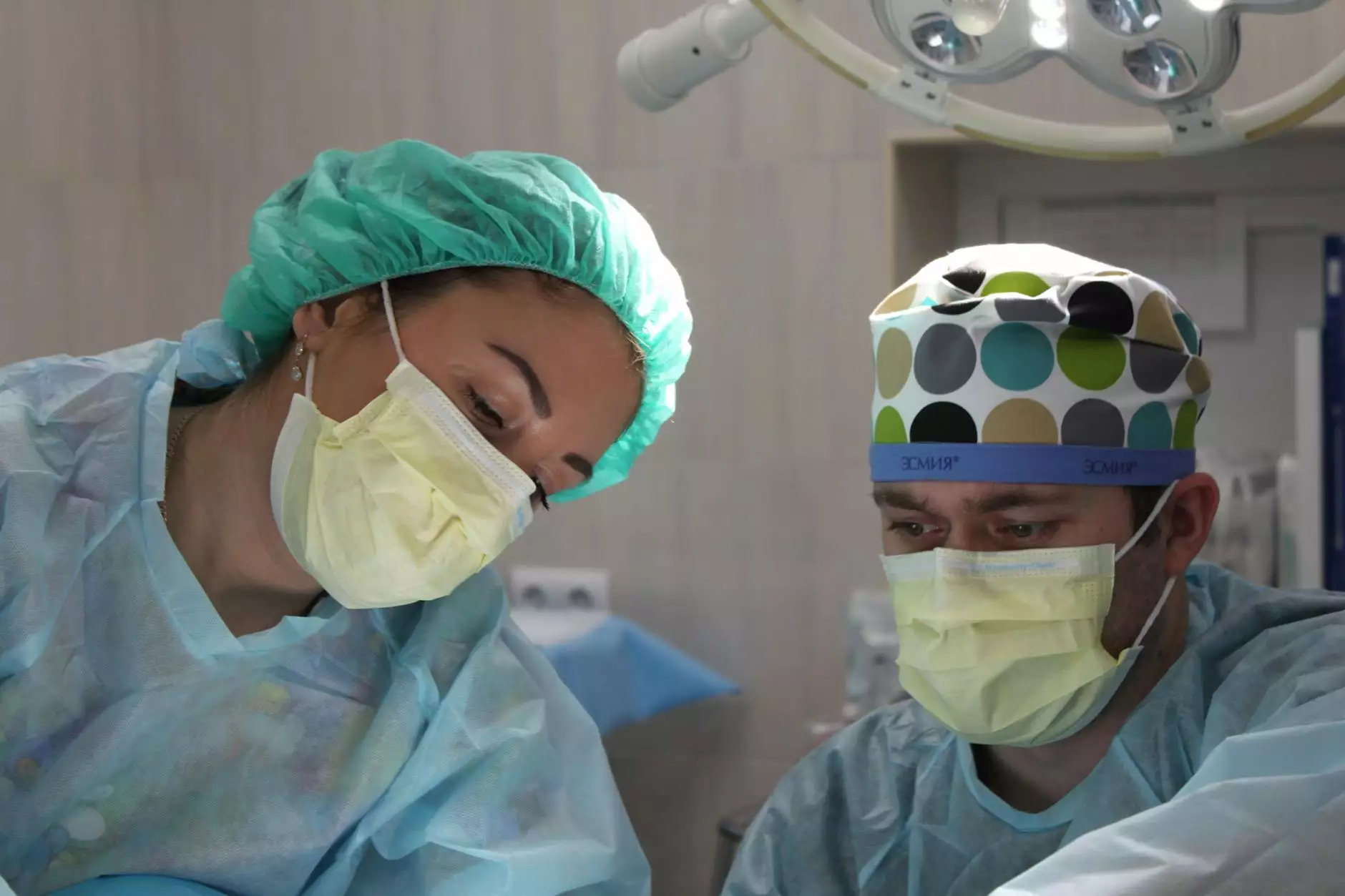
Office hysteroscopy is an invaluable procedure in modern medicine, particularly within the fields of obstetrics and gynecology. As an increasingly popular method for diagnosing and treating various uterine conditions, understanding the office hysteroscopy price and its associated benefits is essential for women considering this option. This article breaks down the specifics of office hysteroscopy, including its costs, benefits, and what patients can expect during the procedure.
What is Office Hysteroscopy?
Hysteroscopy is a minimally invasive procedure that allows doctors to examine the inside of the uterus using a hysteroscope, which is a thin, lighted tube equipped with a camera. The office variant allows the procedure to take place in a non-hospital setting, enhancing patient comfort and convenience.
- Diagnostic Hysteroscopy: Used primarily for diagnosis by identifying issues like polyps, fibroids, and endometrial cancer.
- Operative Hysteroscopy: Involves not only diagnosis but also treatment of the identified conditions, such as the removal of polyps or fibroids.
Why Choose Office Hysteroscopy?
There are numerous benefits of undergoing office hysteroscopy:
- Minimally Invasive: Unlike traditional surgical practices, office hysteroscopy is minimally invasive, leading to faster recovery times and less postoperative discomfort.
- No Hospital Stay Required: This procedure can often be performed in a doctor's office, eliminating the need for a hospital stay.
- Quick Recovery: Patients typically resume normal activities the same day.
- Immediate Results: Diagnosis is swift, allowing for timely treatment.
The Office Hysteroscopy Price Explained
Understanding the office hysteroscopy price is crucial for many patients. Factors influencing the cost include:
- Location: Prices may vary significantly depending on geographical location, healthcare provider, and the facility used.
- Insurance Coverage: Many insurance plans cover the cost of hysteroscopy if deemed medically necessary, but it’s essential to verify specific coverage details with your provider.
- Additional Procedures: If concurrent procedures are performed, this may affect the overall price. For example, if a fibroid removal is necessary, the prices will increase accordingly.
- Technological Advancements: Facilities using cutting-edge equipment or techniques may charge more due to the higher operational costs.
Average Cost of Office Hysteroscopy
While prices can vary, the average office hysteroscopy price typically ranges from $1,500 to $5,000 in the United States. Factors affecting the final costs may include:
- Patient’s Individual Health Needs: Each patient’s medical history and the complexity of their individual case may influence pricing.
- Hospital or Office Fees: Some practices may have different pricing structures that include facility fees.
- Follow-Up Care: Post-procedure consultations or follow-up treatments can also contribute to the total cost.
Financial Assistance and Payment Plans
Understanding that the office hysteroscopy price can be substantial, many clinics, including those found on drseckin.com, offer flexible payment plans. Patients should inquire about:
- Payment Plans: Many medical facilities provide financing options or can assist in structuring a payment plan that fits within your financial means.
- Sliding Scale Fees: Some providers offer fees based on income, ensuring that the procedure is accessible regardless of financial status.
- Financial Counseling: Access to a financial advisor or counselor can help patients understand their options and navigate insurance claims efficiently.
What to Expect During the Procedure
Before undergoing office hysteroscopy, it is crucial to understand the experience. Here’s a step-by-step outline:
- Pre-Procedure Consultation: Discuss with your doctor regarding your symptoms and any medications you are currently taking.
- Preparation: You may be recommended to take certain medications before the procedure to manage pain or anxiety.
- The Procedure: You will lie on an examination table, and the doctor will insert the hysteroscope through your vagina and cervix into your uterus. A saline solution may be used to expand the uterus for better visibility.
- Recovery: Post-procedure, you will stay for a short while for monitoring. Most women are able to go home shortly after.
During the procedure, patients might experience mild discomfort, similar to menstrual cramps. It is important to communicate any pain to your doctor, who can provide reassurance or additional support as necessary.
Post-Procedure Care and Recovery
After hysteroscopy, many patients can return to their normal activities the same day, but some care guidelines should be adhered to:
- Rest: Ensure to take it easy for the first day or two following the procedure.
- Pain Management: Over-the-counter pain relievers can help alleviate discomfort.
- Watch for Complications: While rare, be aware of signs of complications such as excessive bleeding, fever, or severe pain.
Long-Term Benefits of Office Hysteroscopy
Choosing office hysteroscopy not only addresses immediate medical concerns but also benefits long-term health:
- Improved Quality of Life: For women suffering from uterine conditions, effective treatment can lead to significant improvements in everyday life.
- Regular Monitoring: This procedure allows for ongoing health monitoring, crucial for women with certain risk factors.
- Fertility Considerations: Addressing abnormalities may enhance fertility prospects for women trying to conceive.
Conclusion
In summary, office hysteroscopy is a valuable tool in women's health that provides both diagnostic and therapeutic benefits. Understanding the office hysteroscopy price and knowing what to expect can empower patients to make informed decisions regarding their healthcare. There are financial options available to ensure this essential procedure is accessible to those who need it, and facilities like drseckin.com are dedicated to offering reliable solutions for their patients.
For those considering office hysteroscopy, take the first step by consulting with a qualified healthcare provider, and ensure you’re getting the right care for your unique situation.