Buy Firewood: Your Comprehensive Guide to Choosing the Best Firewood for Your Needs
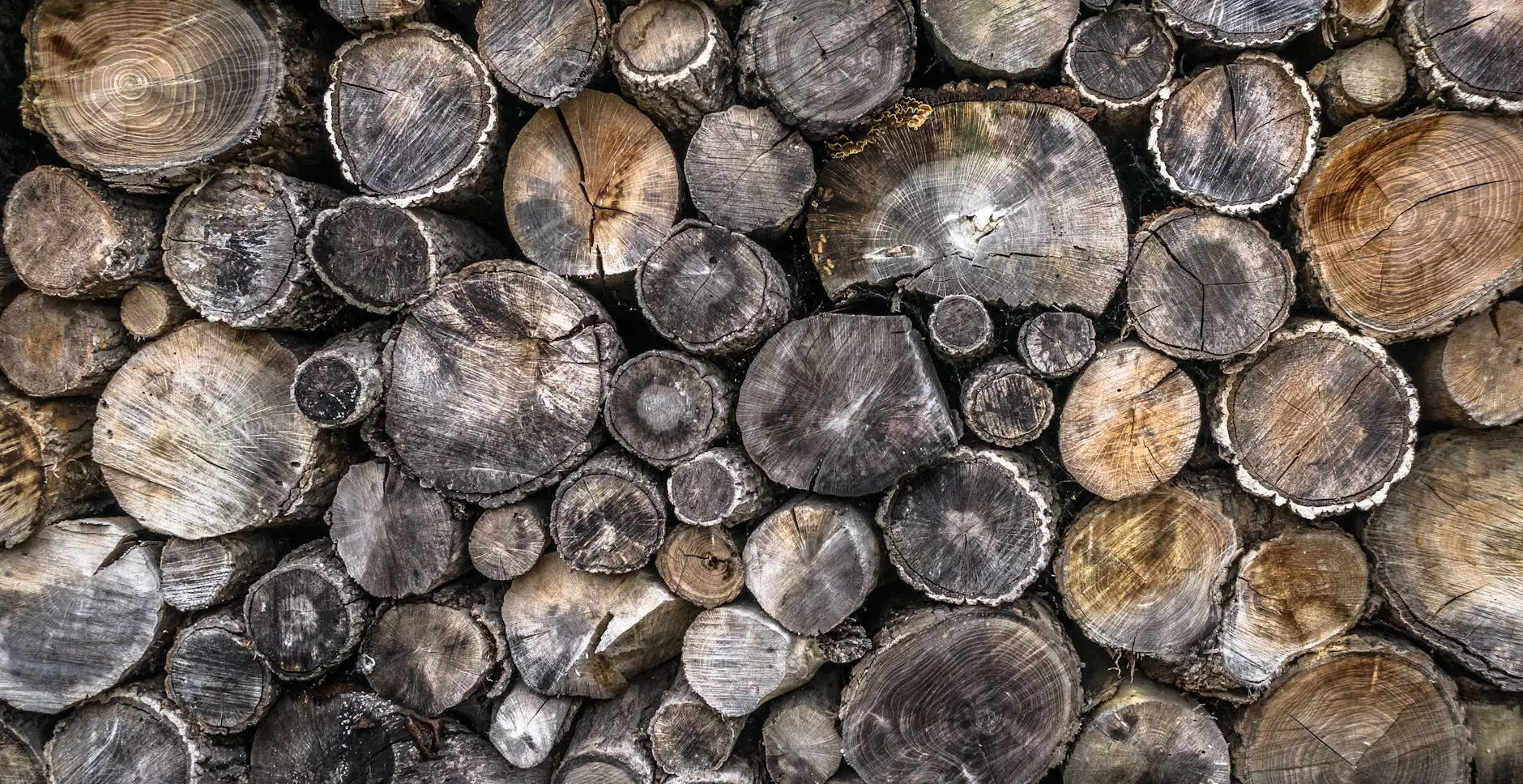
When the chill of winter settles in, nothing beats the warmth and comfort of a crackling fire. If you’ve decided it’s time to invest in firewood, you’ve made a solid choice. Firewood not only provides heat but also contributes to a cozy atmosphere in your home. However, knowing where to buy firewood and what to look for can be overwhelming. This guide is designed to help you navigate the world of firewood purchases and ensure you find exactly what you need.
Understanding Firewood: An Overview
Firewood is typically categorized by the type of wood and its moisture content. Each variety offers different benefits, and understanding these nuances is key to making a wise purchase.
Types of Firewood
There are two main types of firewood: hardwood and softwood. Here’s a detailed look at both:
- Hardwood: Wood from deciduous trees, hardwoods burn longer and produce more heat. Examples include oak, hickory, and maple. They also produce less smoke and have a pleasant aroma when burned.
- Softwood: Wood from coniferous trees, softwoods ignite faster and are easier to burn but tend to burn quicker. Common softwoods include pine, spruce, and fir. While they can be used for quick fires, they produce more creosote, which can lead to chimney buildup.
Moisture Content
The moisture in firewood is crucial for optimizing burning performance. Here’s why:
- Seasoned Firewood: This wood has been dried for at least six months, resulting in a moisture content of around 20% or less. Seasoned wood burns efficiently, producing maximum heat with minimal smoke.
- Green Firewood: Freshly cut wood that retains high moisture content (over 20%). Burning green wood produces a lot of smoke and low heat, which can be frustrating when trying to warm your home.
Why You Should Buy Firewood
Investing in quality firewood has several benefits:
- Efficient Heating: Properly seasoned firewood burns hotter and longer, making it a cost-effective heating source.
- Creates Ambiance: A fire brings a unique warmth and aesthetic appeal to any space, suitable for gatherings and relaxation.
- Reducing Dependence on Electricity: In times of power outages, having a supply of firewood ensures you can stay warm and cook meals, enhancing your home’s resilience.
Tips for Buying Firewood
Knowing how and where to buy firewood is essential. Here are some practical tips to ensure you make the best purchase:
1. Choose Local Suppliers
Consider purchasing from local suppliers or farms. Not only will this support local businesses, but it often ensures that you receive fresher, regionally appropriate wood types which can burn more efficiently in your area.
2. Ask About Seasoning
Ensure that the seller provides properly seasoned wood. Ask them how long the wood has been seasoned and what methods were used. If you’re uncertain, invest in a moisture meter to check the wood’s moisture content before buying.
3. Compare Prices
Take the time to compare prices across different vendors. Ensure you understand the rate per cord or face cord, and inquire about delivery fees, especially if you’re purchasing large quantities.
4. Inspect Before Buying
If possible, inspect the firewood before making a purchase. Look for wood that is cracked and dark at the ends, indicating that it is seasoned. Avoid green or wet firewood, which often appears shiny or has a strong resin smell.
5. Understand the Quantity
Familiarize yourself with how firewood is measured. A cord is a stack of wood measuring 4 feet high by 8 feet long by 4 feet deep (128 cubic feet). A face cord is a single row of logs usually 4 feet high and 8 feet long, which can vary in depth. Knowing this will help you determine how much firewood to buy.
Where to Buy Firewood
There are numerous options when it comes to purchasing firewood:
Local Firewood Suppliers
Check listings for local suppliers in your area. Many offer delivery services directly to your home.
Home Improvement Stores
Stores like Home Depot and Lowe’s often carry firewood. Their offerings can be convenient for those who want to pick up wood during their shopping trips.
Online Retailers
Websites such as Amazon and specialized firewood distributors like Wood-Trans.com offer online ordering and delivery options, making it easier than ever to get the firewood you need.
Community Boards and Classifieds
Check your local classifieds or community boards (like Craigslist or Facebook Marketplace) for individuals selling firewood. You might find quality wood at competitive prices.
Storing Firewood Properly
Once you’ve secured your firewood, storing it properly is crucial to maximizing its usability. Here are some tips:
1. Keep It Dry
Store firewood in a dry, well-ventilated area to prevent moisture accumulation and reduce the risk of mold.
2. Elevate Off the Ground
Use pallets or a firewood rack to elevate your firewood off the ground. This helps in maintaining airflow and keeps the wood dry.
3. Cover If Necessary
If you must cover your firewood, use a tarp or a cover that allows airflow. Tightly wrapping firewood can trap moisture and lead to rot.
Conclusion: Buy Firewood Wisely
Buying firewood doesn’t have to be a daunting task. By understanding the types of firewood available, knowing where to buy, and what to look for, you can make informed decisions that enhance your heating experience. Investing in quality firewood provides not only warmth but also creates a wonderful focal point for family gatherings.
For high-quality firewood delivered directly to your home, visit Wood-Trans.com. We specialize in providing seasoned firewood, ensuring you have the best available options to keep your home warm and welcoming. Don’t miss out—buy firewood today and enjoy the comfort it brings!