Mastering the Control of Rice Weevil: A Comprehensive Guide
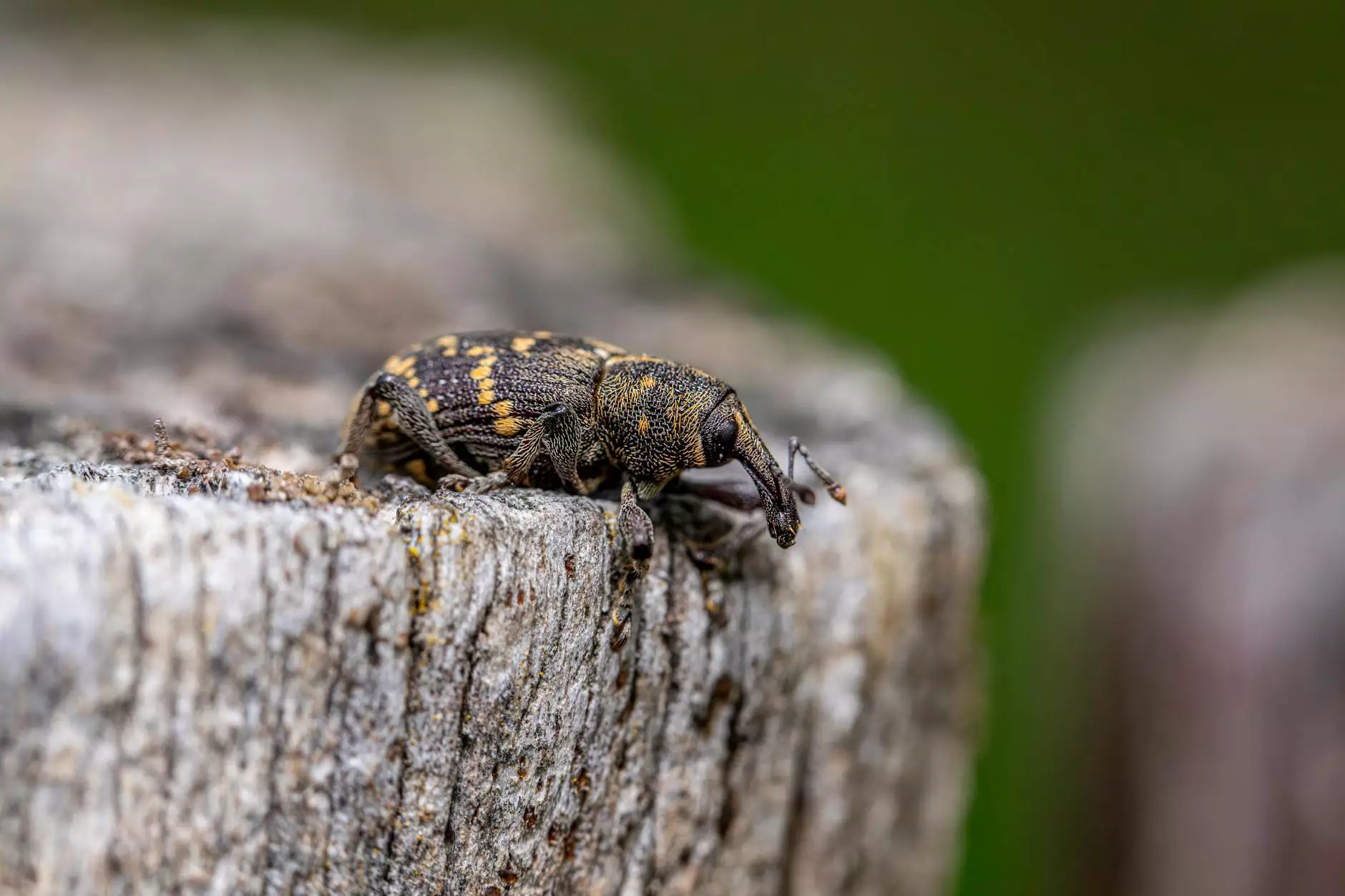
The control of rice weevil is a crucial aspect of maintaining the quality and yield of one of the world’s staple crops: rice. Farmers and agricultural businesses face significant challenges from these pests, which can devastate stored rice if not managed properly. In this article, we will explore effective strategies for controlling rice weevils, combining preventive methods with treatment options to help protect your harvest.
Understanding the Rice Weevil
The rice weevil, scientifically known as Sitophilus oryzae, is a small beetle that primarily targets stored grains, especially rice. Recognizing this pest is essential for effective control. Here are some important characteristics:
- Size: Adult rice weevils are approximately 2.5 to 4 mm long.
- Color: They have a dark brown to black coloration, with four distinct yellowish spots on their wing covers.
- Life Cycle: The life cycle from egg to adult can be completed in as little as 30 days under favorable conditions.
The Importance of Control in Agriculture
Effective control of rice weevils is not just about protecting a product; it’s about safeguarding a livelihood. The implications of a rice weevil infestation include:
- Economic Loss: Infestations can lead to a significant decrease in the quantity and quality of saleable rice.
- Food Security Issues: Rice is a staple food for over half the world's population, and losses in production can impact food availability.
- Resale Problems: Contaminated rice cannot be sold in many markets, leading to further financial strain.
Preventive Measures for the Control of Rice Weevil
As they say, an ounce of prevention is worth a pound of cure. Implementing preventive measures can significantly reduce the likelihood of an infestation. Here are key strategies:
1. Proper Storage Conditions
One of the most effective methods for controlling rice weevils is to ensure that rice is stored under optimal conditions:
- Temperature: Keep storage areas cool and dry, as rice weevils thrive in warm, humid conditions.
- Sealing Containers: Use airtight containers to prevent weevils from accessing the rice.
- Regular Cleaning: Clean storage areas thoroughly to remove any grain remnants that could harbor pests.
2. Regular Monitoring and Inspection
It’s important to routinely check stored grains for signs of rice weevil activity:
- Visual Inspections: Look for holes in rice grains and pellets of frass (insect waste).
- Use Traps: Employ pheromone traps to capture adult weevils and monitor populations.
- Sensory Checks: Smell for unusual odors, which may indicate spoilage or infestation.
3. Crop Rotation and Field Management
Managing how crops are planted and rotated can help minimize pest problems:
- Rotate Crops: Avoid planting rice in the same field for consecutive seasons.
- Healthy Soil Practices: Maintain soil health with organic matter and nutrients to promote stronger plants that can resist pests.
- Attract Beneficial Insects: Use companion planting to attract natural predators of rice weevils.
Treatment Options for Established Infestations
Despite best efforts, sometimes rice weevil infestations occur. When they do, effective treatment is key.
1. Chemical Control Methods
While preventive measures are ideal, it’s essential to know when and how to utilize chemical controls:
- Pesticides: Use insecticides specifically labeled for rice weevil control, following all safety guidelines.
- Grain Protectants: Apply protectants to grains before storage to kill or deter weevils.
2. Heat Treatment
Heat treatment is an effective non-chemical option for killing rice weevils:
- Temperature: Expose infested rice to temperatures of 140°F (60°C) for 30 minutes to eliminate pests.
- Solarization: For bulk storage, use solar heat to raise temperatures in a controlled environment.
3. Fumigation
In severe cases, fumigation may be necessary, particularly for large storage facilities:
- Professional Services: Hire certified pest control professionals for safe and effective fumigation.
- Safety Precautions: Ensure that all safety protocols are strictly followed during fumigation processes.
Best Practices for Successful Rice Weevil Management
Forging a comprehensive management plan that encompasses all aspects of rice weevil control is essential:
- Integrated Pest Management (IPM): Combine different strategies like sanitation, monitoring, and biological controls for the best results.
- Education and Training: Keep your team informed about the latest in rice weevil control techniques and technologies.
- Record Keeping: Maintain records of pest activity, control methods used, and results achieved for future reference.
Conclusion: Striving for Success with Effective Rice Weevil Control
In conclusion, the control of rice weevil is not just a minor detail in grain storage; it is crucial for the economic viability and sustainability of rice farming. By understanding the biology of the rice weevil and implementing comprehensive management strategies, farmers can significantly mitigate their impact. Remember to focus on preventive measures alongside effective treatment options, resulting in a healthier harvest and better market outcomes. Embrace these practices and continue to stay proactive in safeguarding your crops! For more professional advice on pest management and farming equipment repairs, visit tsgcinc.com.