Understanding the Breeds of Roosters Used for Fighting
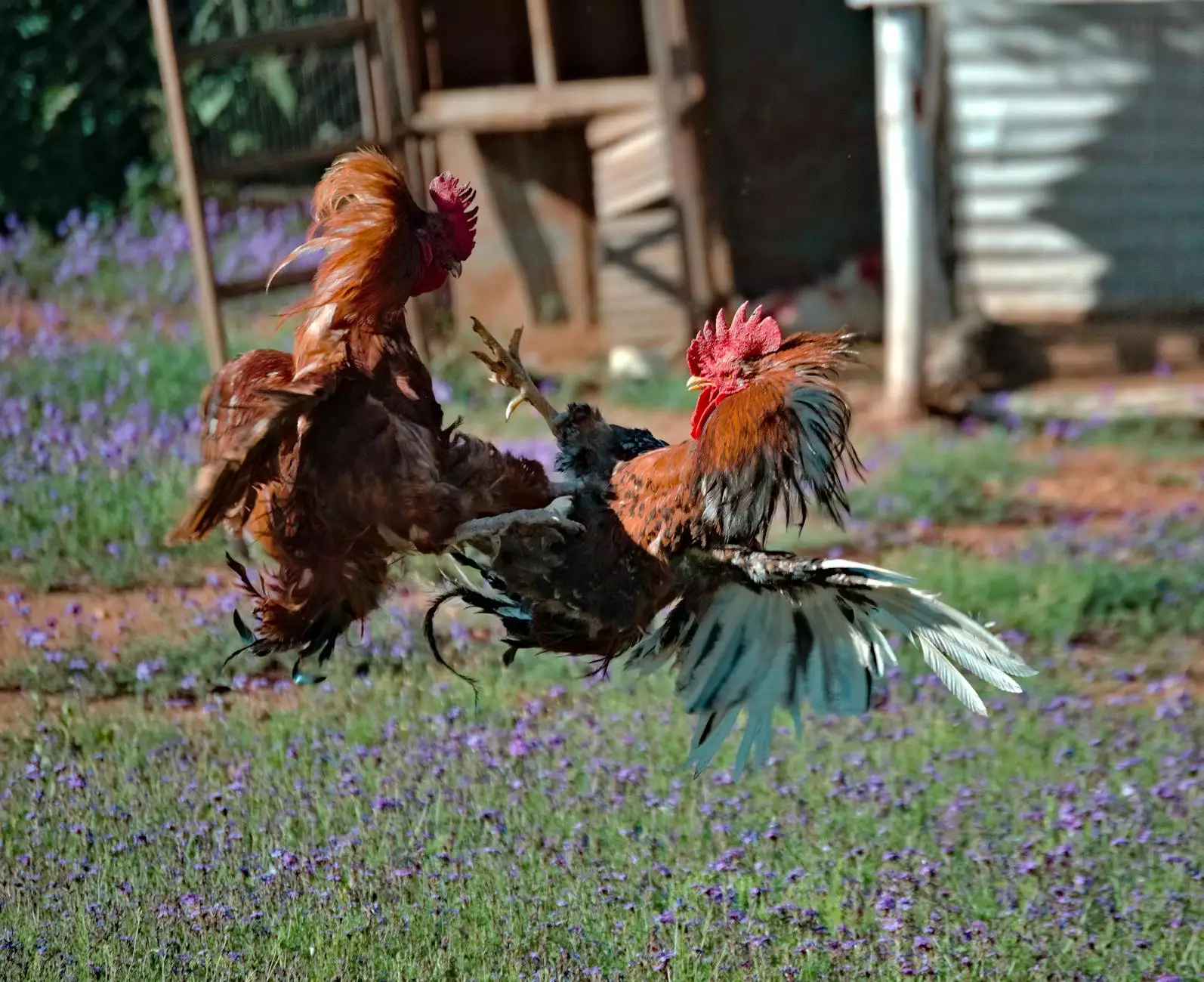
In the world of cockfighting, the breed of rooster used for fighting holds immense significance. Cockfighting is a traditional sport that transcends cultures, with enthusiasts spanning continents. This article delves into the specific breeds, their characteristics, training methods, and the cultural contexts surrounding this age-old sport.
The History of Cockfighting
Cockfighting, often regarded as one of the oldest spectator sports, has a rich history that dates back thousands of years. This competitive activity, where roosters are pitted against each other in a fight, serves various purposes ranging from entertainment to cultural rituals. The sport has gained popularity in many countries, leading to the development of specialized rooster breeds.
What Breed of Rooster is Used for Fighting?
When discussing the breed of rooster used for fighting, several specific breeds stand out due to their physical attributes, temperament, and fighting style. Here are some of the most notable:
1. Aseel (Asil)
- Origin: The Aseel breed hails from the Indian subcontinent.
- Characteristics: Known for its muscular build and upright carriage, Aseels are robust birds.
- Temperament: They are known for their fierce fighting spirit and are considered one of the oldest fighting breeds.
2. Gamecock
- Origin: The Gamecock is primarily bred in the United States.
- Characteristics: These birds are typically medium to large in size and known for their agility and stamina.
- Temperament: Gamecocks are highly competitive and display an intelligent fighting style.
3. Shamo
- Origin: The Shamo breed originates from Japan.
- Characteristics: With a tall posture and strong legs, Shamos are often heavier than other fighting breeds.
- Temperament: They are known for their bravery and aggressive nature.
4. Malay
- Origin: The Malay rooster is famous in Southeast Asia.
- Characteristics: This breed is characterized by its long legs and body, allowing for powerful strikes.
- Temperament: Malay roosters are known for their endurance and ability to withstand damage during fights.
5. Cubalaya
- Origin: The Cubalaya breed comes from Cuba.
- Characteristics: They have a unique crest and dense plumage which makes them visually striking.
- Temperament: Known for their tenacity in the ring, Cubalayas are fearless fighters.
Choosing the Right Breed for Fighting
When it comes to selecting a rooster for fighting, understanding the characteristics of these breeds is crucial. Factors to consider include:
- Physical Attributes: Look for a rooster with strong legs, a robust body, and good feather quality.
- Temperament: Choose a breed that displays aggressive behavior and a strong fighting instinct.
- Endurance: Breeds like Malay and Aseel are known for their stamina, making them good choices for prolonged fights.
Training Fighting Roosters
Proper training is essential for preparing roosters for competitive fighting. This includes:
1. Developing Physical Strength
Regular exercise is vital. Training routines might include:
- Running and agility drills to build endurance.
- Weight training by attaching small weights to the legs.
2. Socialization
Introducing the rooster to other birds in controlled settings can help them learn fighting techniques and improve their confidence.
3. Nutrition
A balanced diet rich in protein, vitamins, and minerals is critical. High-quality feed and supplements can boost the rooster's strength and overall health.
The Ethics and Controversy of Cockfighting
Cockfighting is steeped in controversy, as it raises ethical concerns regarding animal welfare. Advocates argue that it is a cultural tradition and a sport, while opponents highlight the cruelty involved. Some essential points in this debate include:
- Animal Welfare: Concerns about the treatment of birds are paramount, with calls for regulations to ensure humane practices.
- Cultural Significance: In many cultures, cockfighting is an integral part of local heritage and social gatherings.
The Future of Cockfighting
The future of cockfighting is uncertain as laws and societal views shift across the globe. As we move forward, it is essential to balance tradition with humane treatment of animals. The cockfighting community may need to adapt by:
- Implementing Regulations: Establishing rules that promote the responsible breeding and treatment of fighting roosters.
- Educating Enthusiasts: Fostering understanding of animal welfare among participants in the sport.
Conclusion
Understanding the breed of rooster used for fighting is invaluable for enthusiasts and participants within this vibrant community. Whether you are interested in the history, the various breeds, or the training methods, knowledge is key to thriving in the world of cockfighting. The combination of tradition, sporting prowess, and ongoing debates about ethics ensures that cockfighting remains a deeply complex subject worthy of discussion.
At Sabong International Online, we are committed to providing the latest insights and comprehensive information related to sports betting and cockfighting. Engage with our platform for the best updates, expert opinions, and an exciting community of fellow enthusiasts.